Water Damage Restoration Glenside, PA
24/7 water damage restoration for homes and businesses in the Abington and Cheltenham township portions of the community. The response team extracts, dries, and documents the loss.
(888) 557-1733Call before water reaches another room- 24/7 dispatch
- IICRC S500 drying
- Daily moisture readings
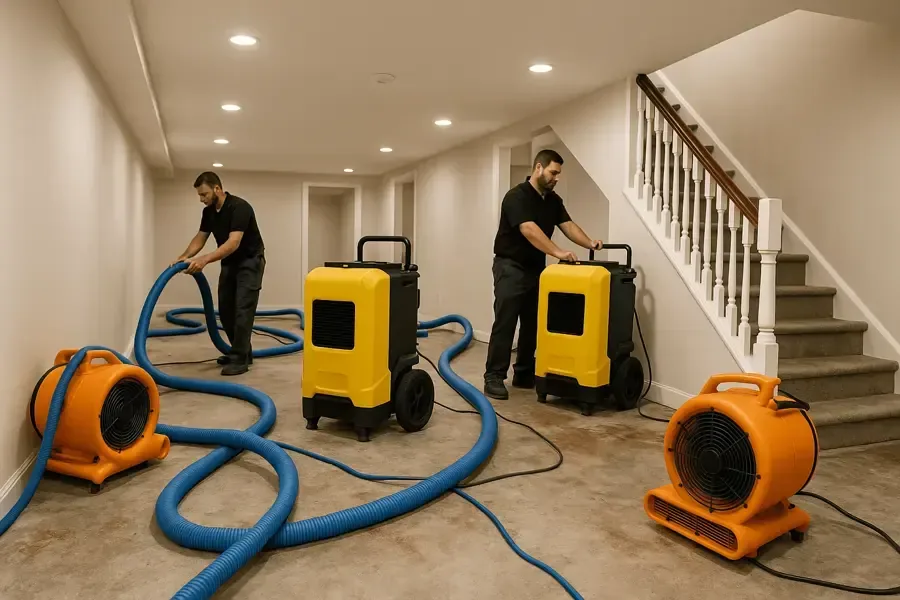
Extraction, air movement, and dehumidification address different stages of a water loss.
What to do while the water is still moving
Protect people first, document the scene, and keep the wet area from growing.
- 1
Stop the source
Close the safest accessible valve or wait for the utility or plumber.
- 2
Protect people
Keep everyone away from wet outlets, sagging ceilings, and contaminated water.
- 3
Document the loss
Photograph the source and water path before contents move.
- 4
Move dry items
Lift rugs and dry belongings out of the affected area when safe.
- 5
Start extraction
Bulk water should come out before structural drying begins.
Water Damage Restoration Services in Glenside, PA
Fourteen focused services cover clean-water, storm, and sewage losses without mixing distinct causes.
 01Water Extraction & RemovalStanding water removed before it spreads into walls and subfloors.View service
 02Basement Flooding CleanupLower-level water pumped out, mapped, and dried.View service
 03Sump Pump Failure CleanupOverflow after a failed pump extracted and the wet assembly dried.View service
 04Sewage CleanupCategory 3 water contained, removed, and treated safely.View service
 05Flood CleanupOutside water removed with contaminated-material controls.View service
 06Storm Water Damage CleanupRain and runoff losses extracted and dried.View service
 07Burst Pipe CleanupSupply-line releases stopped, extracted, and dried inside cavities.View service
 08Frozen Pipe CleanupCold-weather pipe splits handled before thawed water spreads.View service
 09Ceiling Leak Water DamageOverhead leaks traced and joist bays dried.View service
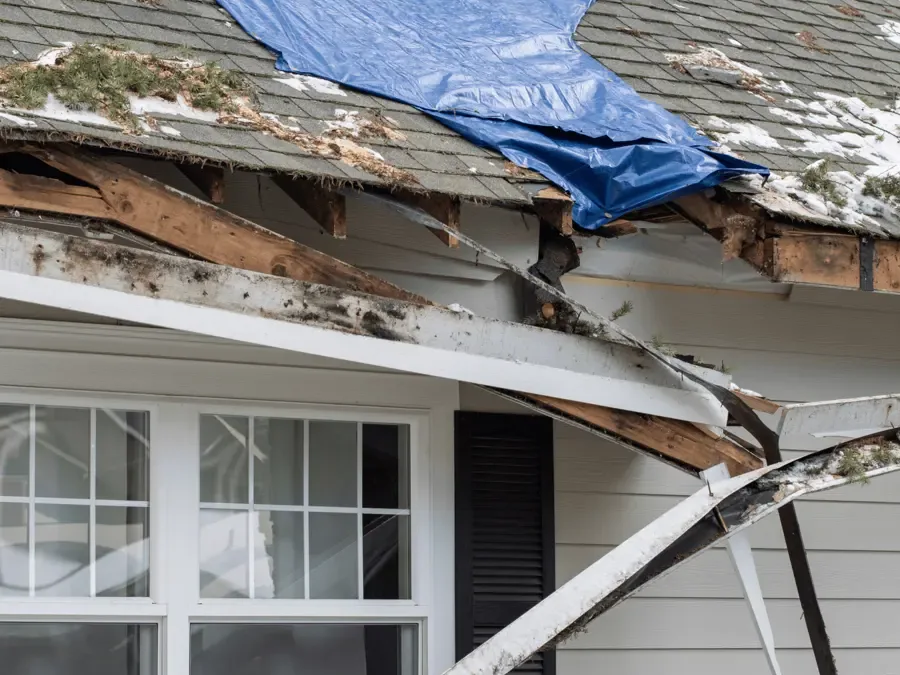
 10Roof Leak Water DamageWet insulation and ceiling assemblies opened and dried.View service
 11Water Heater Failure CleanupTank releases extracted before wall and floor materials wick water.View service
 12Slab Leak Water DamageHidden supply water mapped across floors and wall bottoms.View service
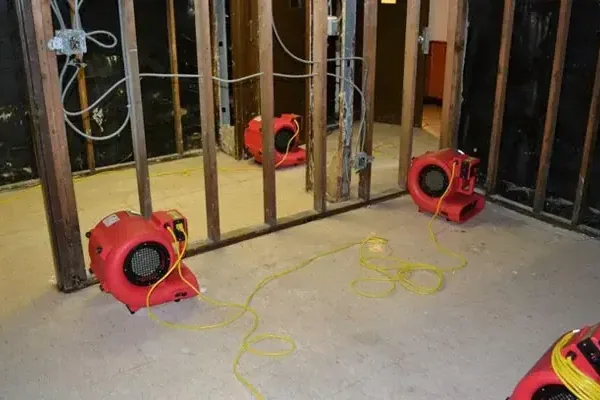 13Structural Drying & DehumidificationFraming, subfloor, plaster, and masonry dried to measured goals.View service
 14Commercial Water Damage RestorationShops, offices, schools, and shared buildings dried in planned phases.View service Water source unclear?Describe the water path and the wet rooms.(888) 557-1733 Plan the cost rangeAnswer four questions for a planning figure.Open the calculator
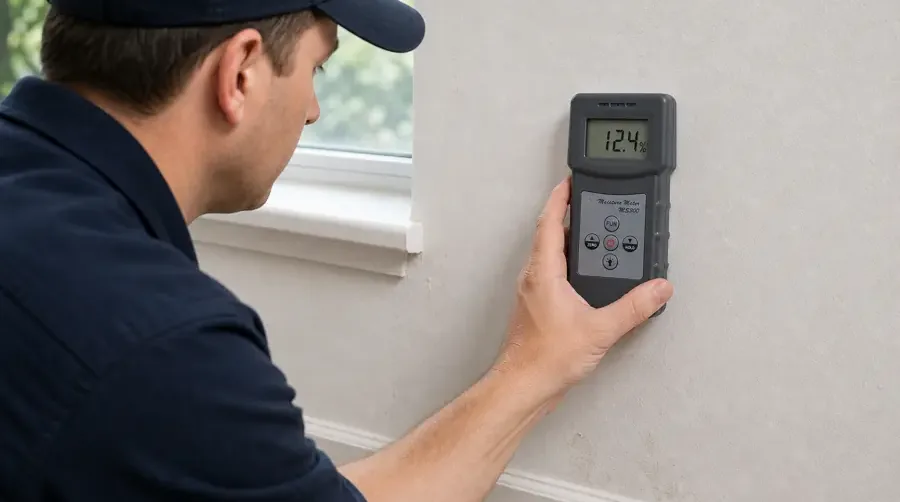
Measured drying for Glenside properties
The restoration team maps wet materials, extracts bulk water, places equipment for the class of loss, and logs readings until the drying goal is reached.
Each plan follows the water category, material class, access, and daily measurements rather than a calendar.
How the dry-out process worksFour parts of a measured dry-out
The response team maps before cutting, matches equipment to the loss, records readings daily, and closes the job on evidence.
Rapid local response
Urgent water losses receive 24/7 dispatch.
IICRC S500 drying standard
Equipment planning follows the water category and class.
Claim-ready documentation
Moisture maps, photographs, and readings support the file.
Glenside water experts
Local place knowledge guides access and jurisdiction questions.
Water damage dried to the IICRC S500 standard
The standard treats water damage as a structure problem. The drying team measures framing, subfloor, plaster, and masonry instead of judging only the surface.
- 1
Inspect and map
The technician identifies the source, category, class, and wet materials.
- 2
Extract
The crew removes bulk water to reduce the drying load.
- 3
Dry and adjust
Air movers and dehumidifiers follow daily readings.
- 4
Verify
Affected materials are compared with a dry reference before equipment leaves.
- Thermal imaging and meters
- LGR dehumidification
- Structural drying
Documentation for your insurance claim
The mitigation team builds the record while drying runs. The file includes room-by-room moisture map, daily psychrometric and material readings, timestamped photographs before demolition, water category and class, line-item scope.
Sudden and accidental water may be treated differently from outside flooding or backup. Coverage depends on the policy, so check with the insurer.
What does water damage restoration cost in Glenside, PA?
A contained clean-water loss often costs $1,200 to $6,500. Sewage, outside flooding, multi-room losses, or slow-drying materials can cost $7,000 to $30,000 or more.
Contained clean water
$1,200 to $6,500
- One or two rooms
- Extraction and drying
- Daily readings
Multi-room loss
$6,500 to $16,000
- Material access
- Several drying zones
- Claim documentation
Sewage or flood
$7,000 to $30,000+
- Category 3 controls
- Porous material removal
- Containment and filtration
Water category, square footage, access, material class, and the time before drying begins move the number most. Try the water damage cost calculator.
All water damage categories covered in Glenside, PA
Category sets the safety controls and what can stay.
Clean water
Supply pipes and tanks may begin as Category 1 when caught early.
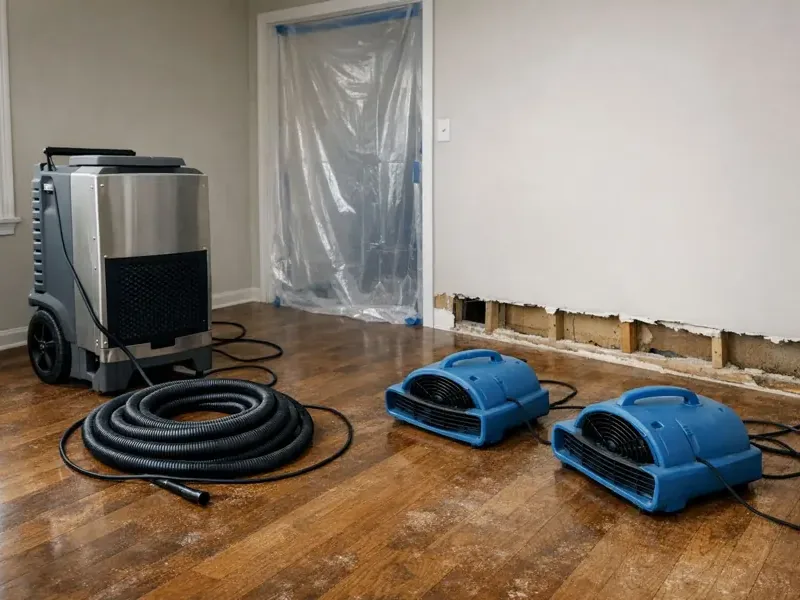
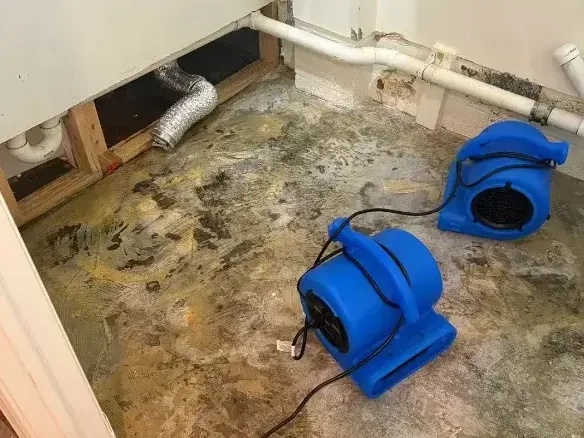
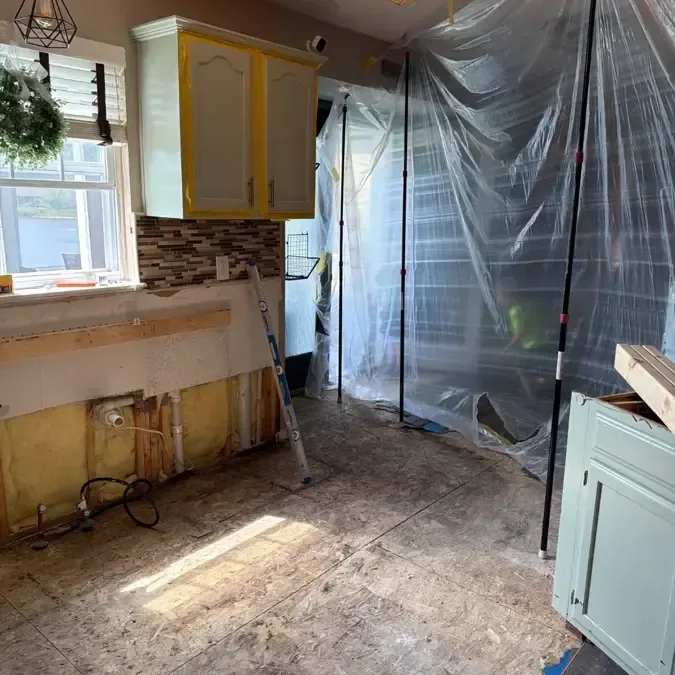
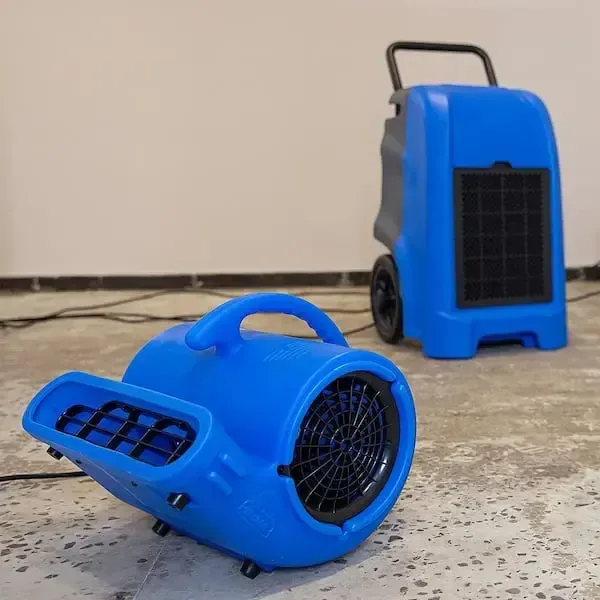
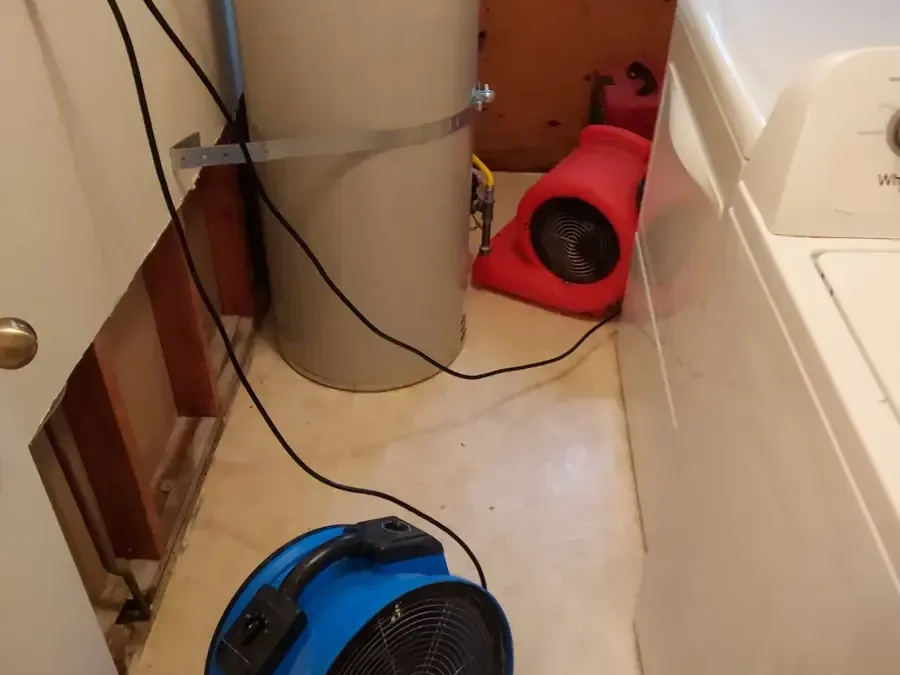
Burst pipe cleanupWhat a water damage dry-out looks like in Glenside
Water damage coverage across Glenside, PA
The response team covers both township portions of the community, day or night.
Glenside ZIP code covered
- 19038
Call with the cross street and the township when known.
Glenside community
Cheltenham Township side
Abington Township side
One call reaches Glenside water damage pros, 24/7
Coverage spans the Abington Township and Cheltenham Township portions of the community. Use the call button for water extraction, sewage cleanup, pipe losses, and structural drying in ZIP 19038.
Glenside Water Damage Restoration
Glenside, PA, Montgomery County
Around the clock, every day
Find us on GoogleWhy local buildings take on water
The community spans two townships, contains older and newer building assemblies, and drains through the Delaware River Basin.
Winter plumbing: Aqua Pennsylvania advises insulating exposed pipes and sealing drafts around crawlspace and basement openings.
- Two township jurisdictions Permit questions belong with either Abington Township or Cheltenham Township.
- Tacony Creek The creek flows through the community and belongs to the broader Delaware River Basin.
- Older landmarks and buildings Keswick Theatre dates to 1928, showing that some local assemblies need careful material-specific readings.
- Cold-weather pipe exposure Unheated areas and drafts can expose plumbing to freezing conditions.
- Mixed-use corridors Easton Road and Keswick Village combine homes and small commercial spaces.
Glenside Water Damage Restoration Questions
How quickly should water extraction start?
Active water is urgent because it continues moving into porous materials. Stop the source when safe and begin measured extraction before the wet area grows.
How long does structural drying take?
A contained clean-water loss often takes several days. Plaster, hardwood, masonry, and contaminated losses can take longer, so readings decide when equipment leaves.
What is IICRC S500?
IICRC S500 is the industry drying standard for inspection, category and class decisions, equipment planning, monitoring, and verification.
Does insurance cover water damage?
Sudden and accidental water may be treated differently from outside flooding, seepage, and backup. Coverage depends on the policy, so check with the insurer.
When does drywall come out?
Drywall touched by Category 3 water is removed. Clean-water drywall may stay when readings and condition show it can dry safely.
Why is sewage cleanup different?
Sewage is Category 3 from the start. The crew uses containment and protective equipment and removes porous materials the contaminated water touched.
What should happen before equipment is placed?
The technician identifies the source, maps wet materials, assigns the category and class, and removes bulk water.
What records support a claim?
A moisture map, daily readings, timestamped photographs, the water category and class, and a line-item scope can support the file.
What should a property owner do first?
Shut off the source if safe, stay away from wet electrical components, photograph the scene, and move small dry items out of the water path.
Water moving through a Glenside property? Start the dry-out.
Extraction, measured structural drying, and claim documentation are available 24/7.